
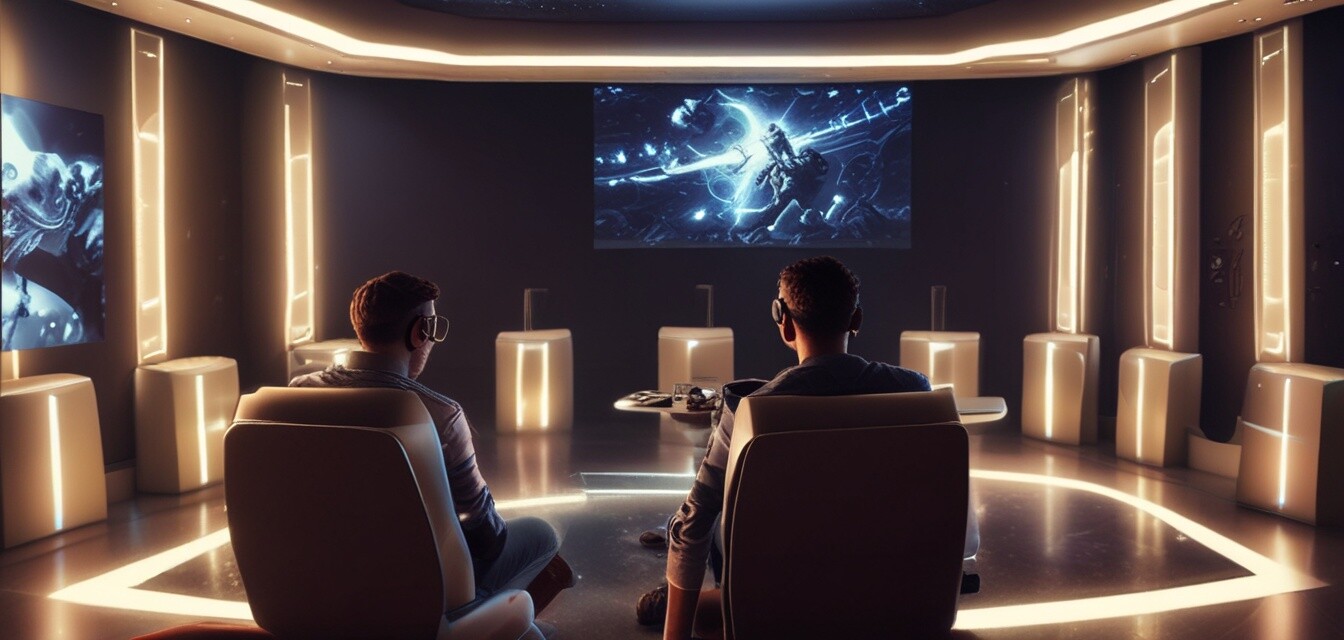
Future of Virtual Reality in Entertainment
Key Takeaways
- Virtual reality technology is evolving rapidly, enhancing entertainment experiences.
- As of 2026, VR integrates with gaming, films, and social experiences.
- Accessibility and affordability are crucial to wider adoption.
- The potential for immersive storytelling is significantly expanding.
- Blockchains and NFTs are shaping VR content ownership and monetization.
The world of entertainment is undergoing a radical transformation thanks to virtual reality (VR). As we move towards 2026, the integration of VR technology within various entertainment sectors is becoming increasingly evident. This article explores the current trends, potential growth, and the exciting future of VR in entertainment.
The Rise of Virtual Reality in Entertainment
Virtual reality has been on the brink of revolutionizing how we consume and engage with entertainment. Not just a fad, VR technology continues to gain traction, offering immersive experiences that were once the stuff of science fiction.
Current Trends in VR Technology
Several trends are currently shaping the VR landscape in entertainment:
- Enhanced Graphics and Processing Power: With advancements in hardware, VR graphics are becoming increasingly realistic.
- Social Integration: Platforms are emerging that allow users to experience VR together, enhancing social connectivity.
- Cross-Platform Experiences: VR is moving towards compatibility across various devices, making it easier for users to engage with different media.
- Content Diversity: From gaming to VR concerts and films, content is diversifying to keep audiences engaged.
The Role of Virtual Reality in Gaming
Gaming remains one of the most notable sectors benefiting from VR technology. Players can step into immersive worlds, where the boundaries of the real and virtual are blurred.
Pros and Cons of Virtual Reality in Gaming
Pros
- Increased immersion and engagement.
- Unique gameplay experiences unattainable in traditional gaming.
- Potential for virtual reality tournaments and eSports.
Cons
- High costs of entry for VR setups.
- Motion sickness can affect some users.
- Limited content variety in some genres.
Impact of VR in Film and Television
VR is extending its reach beyond gaming, significantly impacting how films and TV shows are produced and consumed.
Innovative Storytelling Techniques
Filmmakers are using VR to create immersive narratives that allow audiences to experience stories from within, rather than just observing. This evolution opens new avenues for creative storytelling.
VR Cinemas and Viewing Experiences
With the emergence of VR cinemas, audiences can experience films in a shared virtual environment with friends and fellow viewers, combining the social aspect of movie watching with advanced technology.
The Future of Virtual Reality Entertainment
As we anticipate 2026, several factors are likely to influence the future of virtual reality in entertainment:
- Wider Accessibility: As technology becomes more affordable, a larger demographic can participate in VR entertainment.
- Integration with Augmented Reality: The fusion of AR and VR could create hybrid experiences that engage users on multiple levels.
- Expansion of Content Ownership: Blockchain and NFTs can provide new ways for creators to monetize their VR content.
- Health and Wellness Integration: VR applications aimed at relaxation and mental well-being are on the rise, appealing to a broader audience.
VR and Blockchain: A New Era for Content
The introduction of blockchain technology is set to revolutionize the entertainment landscape by providing secure systems for content ownership. It allows artists and creators to directly monetize their work, creating a new economic model for VR content.
Conclusion: Embracing the Future of Virtual Reality
As virtual reality continues to develop, its role in the entertainment industry grows stronger. From gaming innovations to immersive films, the potential for VR is limitless. By staying informed about news and trends in the electronic technology space, you can keep tabs on the exciting advancements that lie ahead.
Beginners Section: Getting Started with Virtual Reality
If you are new to virtual reality, here are some tips to help you get started:
- Research different VR headsets to find one that fits your needs and budget.
- Start with free or inexpensive VR games and experiences to gauge your interest.
- Consider safety measures to avoid motion sickness, such as taking breaks.
- Explore social VR platforms to meet and interact with others.
- Stay updated on emerging trends to expand your VR experience.
Explore more related articles in our Buying Guides and How-To Articles sections to better understand and choose the best technologies for your entertainment needs.