

The Future of Virtual Reality: What to Expect in 2026
Key Takeaways
- Improvements in graphical fidelity and immersion.
- Advancements in hardware, including lighter and more portable headsets.
- Expanded applications in education, training, and healthcare.
- Widespread adoption of social and gaming environments in VR.
- Integration of AI and machine learning for smarter experiences.
As we look toward 2026, the world of virtual reality (VR) is poised for monumental advancements. This article explores emerging trends, products, and technologies that will redefine how we experience entertainment, work, and education.
The Evolution of VR Technology
Virtual reality has come a long way since its inception. The devices of 2026 are expected to feature groundbreaking updates that enhance both visual fidelity and user experience.
Enhanced Hardware Capabilities
Expect virtual reality headsets that are not only lighter but also equipped with significantly more processing power. Key advancements include:
| Feature | 2022 VR Headsets | Expected 2026 VR Headsets |
|---|---|---|
| Resolution | 2,560 x 1,440 pixels | 4,000 x 2,000 pixels |
| Field of View | 110 degrees | 150 degrees |
| Battery Life | 2-3 hours | 4-5 hours |
| Weight | 1.2 kg | 0.7 kg |
Integration of AI and Machine Learning
Artificial intelligence is set to revolutionize the VR experience by creating more intuitive and responsive environments. Here are some expected enhancements:
- Real-time user behavior analysis for adaptive gameplay.
- Personalized VR content based on user preferences.
- AI-driven NPC interactions in gaming.
- Automated virtual training simulations.
Notable Upcoming VR Gadgets
Several exciting products are on the horizon that are likely to reshape the virtual reality landscape:
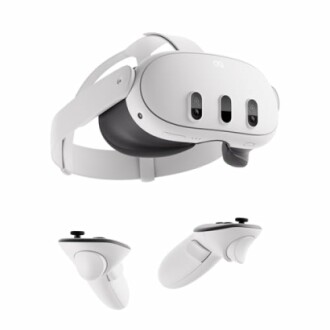 Next-gen VR Experience
Meta Quest 3 512GB | VR Headset
Experience breathtaking detail with nearly 30% sharper resolution. Enjoy 40+ games and more with a powerful 2X graphical processing capability.
Learn More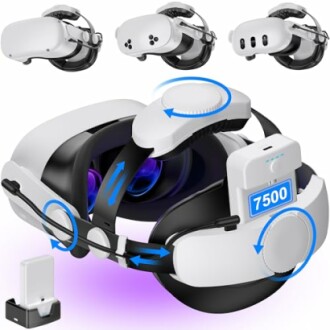 Ultimate VR Accessory
Kawaye Head Strap with 15000mAh Battery
Enjoy extended playtime with adjustable comfort and hot-swap battery packs, designed for Meta Quest 3S/Quest 2/Quest 3.
Learn MoreVR Applications Beyond Gaming
While gaming has been the primary focus for VR, expect to see significant applications emerging in other fields:
Education and Training
VR will transform educational environments by allowing immersive simulations for better learning experiences. Enhanced virtual classrooms and laboratories will make remote education more engaging.
Healthcare Innovations
In healthcare, VR is set to aid in therapy sessions, surgical training, and patient treatment plans, ushering in a new era of medical practice.
Social Connectivity
The potential for social platforms in VR is vast, with environments where users can meet, interact, and share experiences in a more lifelike setting.
Conclusion
As we anticipate the advancements of 2026, it's clear that virtual reality will dramatically impact how we entertain, learn, and connect. With innovative gadgets and enriched applications transforming our realities, the future looks exciting for both consumers and creators alike.
Pros
- Increased immersion with advanced graphical capabilities.
- Broader applications in various sectors.
- Improved comfort and accessibility for users.
- Innovative AI integration makes experiences unique.
Cons
- High initial cost for advanced devices.
- Content compatibility issues.
- Potential for motion sickness in some users.
- Need for frequent software updates.