
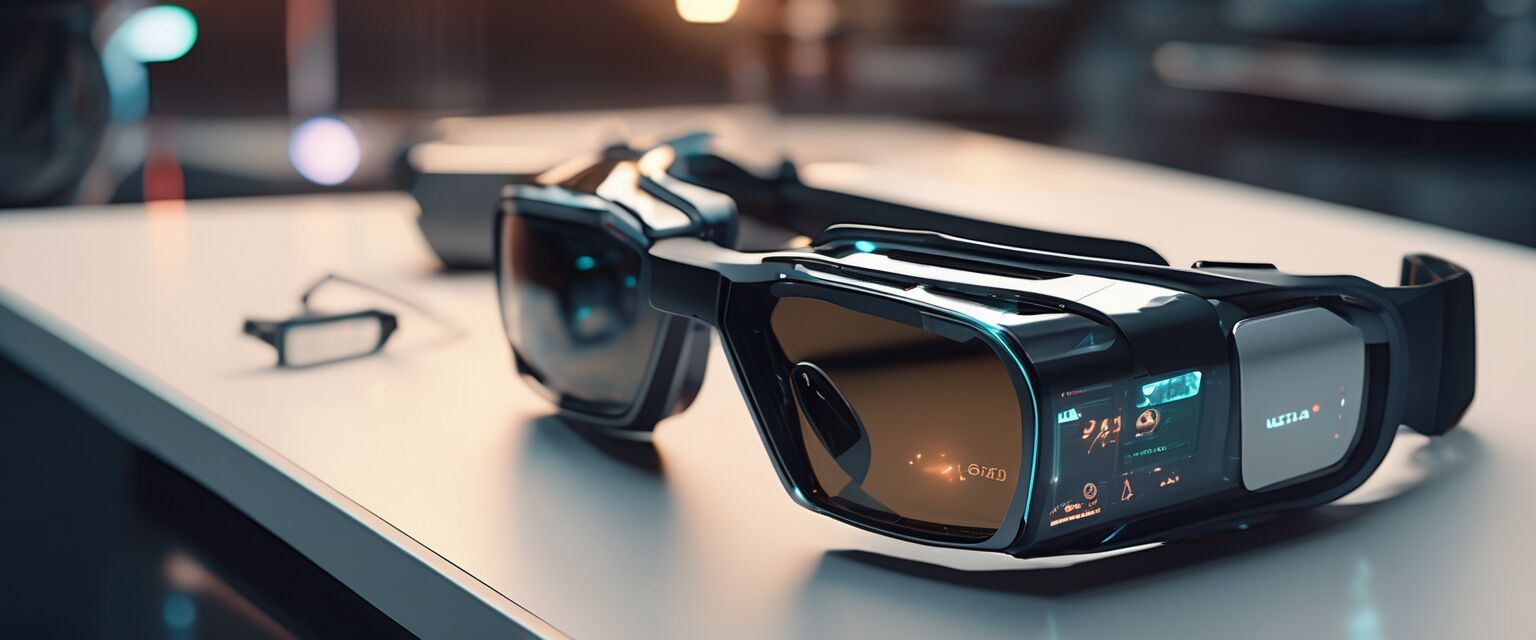
How AI is Revolutionizing Electronics in 2026
Key Takeaways
- AI is enhancing the functionality of consumer gadgets, making them smarter and more intuitive.
- Integration of AI in electronics leads to significant improvements in user experience.
- Future gadgets will increasingly rely on AI for tasks such as real-time translation, personal assistance, and entertainment.
- AI-powered devices promise a blend of convenience and cutting-edge technology, changing how we interact with electronics.
The electronics industry is witnessing an unprecedented transformation due to the rise of Artificial Intelligence (AI). As we move into 2026, AI is not just a tech buzzword; it’s fundamentally reshaping how we interact with our devices. From smartphones to smart glasses, AI technology is making consumer gadgets smarter, more intuitive, and ultimately, more useful.
The Impact of AI on Consumer Gadgets
AI technology plays a crucial role in enhancing consumer electronics, leading to advancements that improve functionality and user friendliness. Here are some notable ways AI is influencing the electronics landscape:
1. Enhanced User Experience
With AI, electronics can learn from user behaviors and preferences, tailoring experiences to individual needs. This personalization boosts user satisfaction dramatically.
2. Real-Time Translation
Devices such as the AI Smart Glasses can provide real-time language translation, making communication across cultures seamless.
3. Smart Home Integration
Smart home devices equipped with AI can communicate with each other, optimizing tasks and enhancing overall convenience.
4. Advanced Personal Assistants
AI is also powering advanced personal assistants in devices, capable of performing complex tasks beyond simple queries. This opens up new avenues for productivity.
5. Eye Protection and Comfort
The focus on health from electronics, such as the 3D HD Screen Magnifier, offers features like blue light protection for extended screen time, reducing visual fatigue.
Looking Ahead: The Future of Gadgets in 2026
As we look ahead, the integration of AI technology is set to transform gadgets further. Here are a few anticipated trends:
- Increased Automation: More devices will have automation capabilities to handle routine tasks without user intervention.
- Improved Connectivity: AI will enhance devices' ability to communicate and work together within smart ecosystems.
- Virtual Environments: Expect advancements in VR and AR technology featuring AI-driven interactions.
- Health Monitoring: Gadgets will incorporate more health-tracking features, collecting data to provide tailored recommendations.
Comparison of AI-Powered Gadgets
| Product | Feature | Application | Compatibility |
|---|---|---|---|
| 3D HD Screen Magnifier | Blue light protection | Media consumption | All smartphones |
| AI Smart Glasses | Real-time translation | Communication | Android, iOS |
Current Innovations and Technologies
Several recent innovations have paved the way for more sophisticated consumer electronics that utilize AI. Here are some noteworthy examples:
- Wearable Technology - Innovations are making wearables smarter with health-monitoring features.
- Smart Home Devices - Increased integration and automation within households for improved efficiency.
- Gaming Devices - AI enhances the gameplay experience, making it more immersive.
- Travel Gadgets - AI-powered gadgets are designed for on-the-go convenience, like mini translators.
Tips for Embracing AI in Electronics
- Stay informed about new advancements in AI to choose the best gadgets.
- Prioritize products with features beneficial to your daily life or work.
- Look for seamless integration of devices to create a smart ecosystem.
- Consider privacy implications with devices that utilize AI technology.
Pros
- Greater personalization leads to improved user experiences.
- Devices can perform tasks autonomously, saving time for users.
- Enhanced functionality with real-time features.
Cons
- Potential privacy concerns with data collection.
- Dependence on technology may increase.
- Higher costs associated with advanced AI gadgets.
Conclusion
AI is set to revolutionize electronics drastically by 2026, driving innovations that enhance consumer gadgets profoundly. From advanced communication tools to personalized experiences, the future of electronics promises significant changes that will make our lives easier and more enjoyable. As consumers, embracing these advancements will lead to a smarter, more connected world.
Stay tuned to our News and Trends section for the latest updates in the world of electronics and technology.